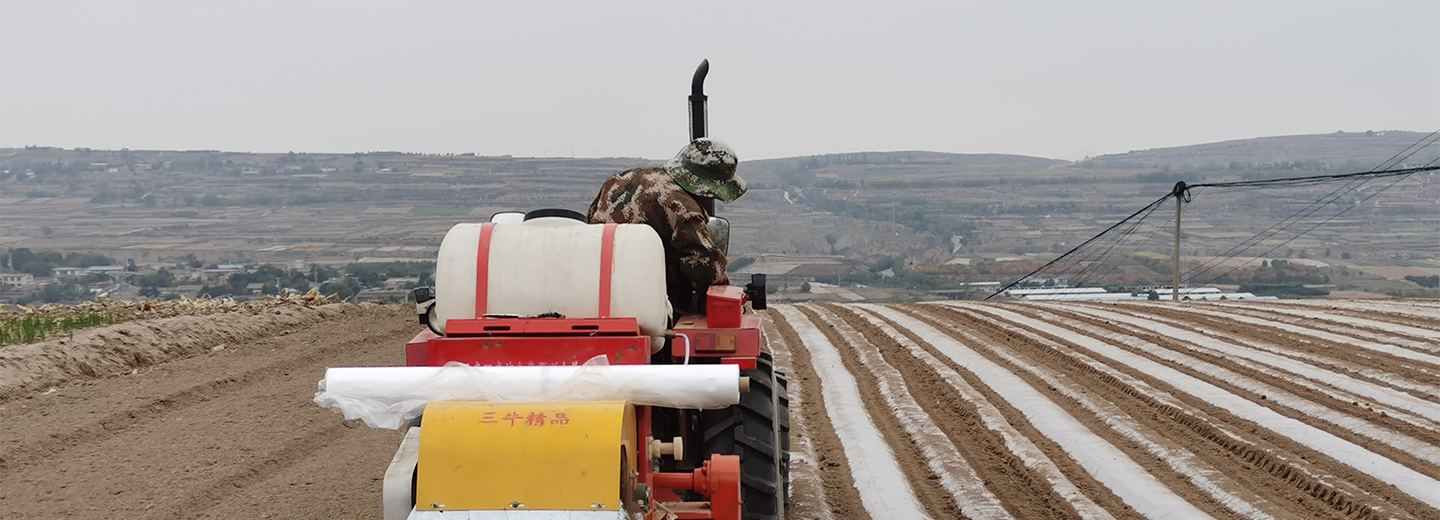
Digitally traceable mulch film for Chinese agriculture
Mulch films are used extensively in agriculture to save up to 30% water, regulate soil temperature and ultimately increase crop yields by an average of 30%. Particularly in densely populated China, agriculture has to deliver top performance in order to be able to supply people with sufficient food. Around 1.4 million tons of mulch film are applied annually across China accounting for around 74% of the global consumption. Doing that, it is important to act as ecologically as possible.
One problem is that collection, especially manual collection of used mulch film, is very labor intensive and time consuming, while much of the mulch film is ruptured into fragments and discarded in the field, thus polluting the environment. Under the framework of the develoPPP.de programme of the German Federal Ministry for Economic Cooperation and Development (BMZ), the film extrusion machinery manufacturer Reifenhäuser and the Deutsche Gesellschaft für Internationale Zusammenarbeit (GIZ) GmbH have started a pilot project to establish a system to prevent soil pollution caused by mulch film residues in China. In this pilot, the return of mulch films is ensured by using digital product passports and QR codes.
For this purpose, approximately 180,000 square meters of PE mulch film were produced at Reifenhäuser’s research and development technical center at its headquarter in Troisdorf (Germany) and marked with a QR code inline. At the same time, recycling-relevant production data was automatically recorded via the R-Cycle data platform in a digital product passport, which can be retrieved accordingly via the QR code on the film. This means that after the films have been used, the stored data can be used to precisely track and balance whether the quantity used has also been collected again, achieving a closed-loop monitoring and management along its whole life cycle.
With the help of local organizations, the film was laid out on a trial field in China in October 2021 to test it under real conditions. It will then be demonstrated next spring in 2022 that the marking can withstand the effects of weather and that it is easy to identify the film after field use.
"Marking and tracking mulch film is an effective and easy-to-use measure to improve the collection and recycling rate of mulch film as well as to minimize the environmental impact of mulch film waste. We can thus establish incentive or even control systems to effectively ensure the return of the films. In addition, it allows the high-quality recycling of the films, as the tracking data includes accurate information on the ingredients,”
Jingyue Hou, Project Manager in GIZ China’s Environment and Circular Economy Team.
In a next step, the digitally traceable mulch film and tracking system via R-Cycle will be demonstrated in Gansu province in China for maize production. Technical roadmaps for value-added PE mulch film recycling will be explored together by Reifenhäuser and GIZ.
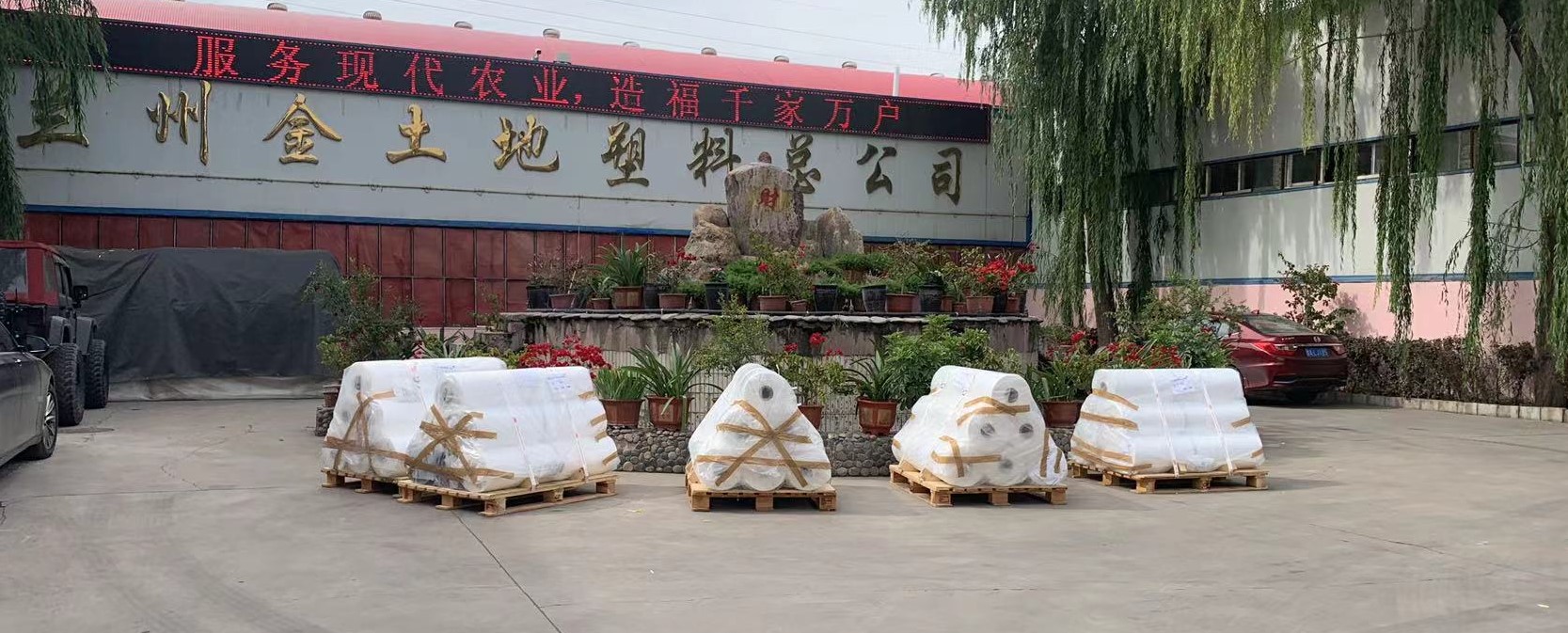
A total of 180,000 square meters of traceable mulch film were produced at Reifenhäuser’s technical center in Troisdorf (Germany) and delivered to China.
Picture: GIZ
More Success Stories from R-Cycle



We are looking forward to your contact
"If you want to contribute to a true circular economy while reaping the many benefits of R-Cycle, we'd love to hear from you. Contact us now to contribute your ideas, know-how or technology."
Dr. Benedikt Brenken - Direktor R-Cycle
Contact us